



Many adults associate the afternoon nap with childhood memories – with the typical afternoon rest that you reluctantly had to lie down for. Today, however, we know that the afternoon nap is anything but superfluous. Used correctly, it can improve concentration, mood and performance and noticeably regenerate both body and mind. In this article, you will find out why the midday nap is so healthy, how long it should last and how our needs change over the course of our lives.
Why is a nap so healthy?
The human body follows a natural biorhythm, the so-called circadian rhythm. Around afternoon, usually between 1 and 3 p.m., most people experience a dip in performance: concentration drops, responsiveness decreases and fatigue becomes noticeable. It’s time for an afternoon nap to calm the body and mind and give you new energy.
During this short resting phase, the pulse and breathing slow down, the muscles relax and the brain begins to process and store information. Just a few minutes in the so-called light sleep phase is enough to reduce stress hormones and restore inner balance. If you rest regularly at lunchtime, you strengthen your heart and circulation, improve your memory and feel more balanced and refreshed for the rest of the day.
How long should a nap last?
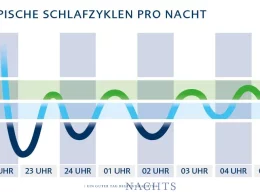
The optimal duration depends on what you want to achieve. If you just want to switch off and recharge your batteries, a power nap of 10 to 20 minutes is a good idea, as you stay in the light sleep phase and are immediately refreshed afterwards.
A classic afternoon nap, on the other hand, can last a little longer: around 45 to 60 minutes is considered ideal to enable deeper recovery without interfering with night-time sleep. During this time, the body can enter the deep sleep phase, memory is strengthened and regeneration is more intensive.
The right time is important here. The natural performance low is most pronounced between
Nap, nap and power nap – what’s the difference?
The terms are often used interchangeably in everyday life, but they refer to different forms of daytime sleep, which differ primarily in terms of duration, depth and effect.
- The nap is the more compact version of the afternoon nap. It usually lasts around 30 minutes and is therefore on the borderline between light and deep sleep. During this time, the brain can already initiate the first regeneration processes, which is why many people feel refreshed and more focused afterwards. However, some people wake up feeling slightly drowsy when they reach the deep sleep phase.
- The power nap is a consciously planned, modern form of short sleep. It lasts 10 to 20 minutes, remains exclusively in the light sleep phase and aims to increase performance and alertness in the short term. Powernapping is particularly easy to integrate into the working day and is therefore the most effective way to quickly recharge your batteries.
- Finally, the afternoon nap is the classic and slightly longer version of the daytime nap and usually lasts 45 to 60 minutes. It also allows for deeper sleep phases, supports memory performance and promotes physical and mental regeneration.
These three forms complement each other: while power naps and naps provide quick energy, the afternoon nap ensures lasting relaxation and strengthens well-being and inner balance in the long term.
If you would like to find out more about the different forms of short naps, you can read our blog posts Naps – short break, big effect and Powernap: 20 minutes of relaxation in between! for more information on the duration, timing and optimum effect of short rest periods.
What are the benefits of a nap?
A regular midday nap can work wonders: it improves concentration, supports learning processes and promotes creativity.
The heart can also benefit: Pulse and blood pressure drop, while the body reduces stress hormones. At the same time, the immune system regenerates and the mood brightens. Those who rest at lunchtime feel more balanced, concentrated and relaxed – an effect that is often noticeable after a short time.
An afternoon nap is therefore not a sign of comfort, but an expression of a healthy approach to one’s own needs.
Afternoon nap in everyday life – find peace and quiet
An afternoon nap can also be integrated into a busy daily routine. Rest, darkness and a comfortable lying position are particularly important. Even a slightly darkened room or a sleep mask can help you to calm down more quickly.
If you work in the office, you can take a short break, for example in a quiet room or in the car. At home, naps work best if the bedroom is aired regularly and the room temperature remains pleasant. A consistent routine also helps: those who take a short break at the same time usually fall asleep more quickly and wake up more refreshed.
Basically, naps are suitable for almost everyone – as long as they are moderate and don’t take place too late. If you have trouble falling asleep in the evening, you should avoid late naps. Shift workers, parents and students also benefit from occasionally taking a short rest during the day.
Changing nap times – from childhood to old age
The afternoon nap accompanies us through all phases of life, but changes its function and meaning in the process.
For children, a afternoon nap is part of their natural development. Babies and toddlers need much more sleep because their bodies and brains are undergoing enormous growth and learning processes. A solid nap helps to avoid sensory overload, supports the immune system and improves mood. With increasing age – usually between the ages of three and five – the need for sleep shifts to the night. However, some children still keep the midday nap as a beneficial routine.
Adults experience the afternoon nap primarily as a balance to their hectic everyday life. The focus is no longer on growth, but on regeneration and stress reduction. Studies show that regular, short afternoon naps promote concentration, memory and heart health – especially in professions with high mental stress.
As we get older , afternoon rest becomes more important again. As night-time sleep often becomes shorter and more fragmented, a short break at afternoon can help to compensate for the sleep deficit and improve well-being. For older people, however, a shorter sleep duration is usually sufficient – in practice, this is often 20 to 30 minutes, i.e. a nap rather than a classic midday nap. This length offers relaxation without interfering with night-time sleep.
The right equipment for a relaxing nap
An afternoon nap is a simple, natural way to recharge your batteries. The right sleeping environment also plays a crucial role in making this little break particularly beneficial. With the right bedding, you can optimally relax your body and mind – for restful breaks during the day and a peaceful night. These bedding products make naps particularly pleasant:
The RONDO neck support pillow adapts perfectly to the head and neck thanks to its innovative core of circular cylinders and provides even pressure relief. It can be used on both sides, retains its shape and has a cover that is washable up to 95 °C – ideal for allergy sufferers and anyone who wants to sleep ergonomically and relaxed.
The SUPER WASH fiber duvet fiber duvet impresses with its durable, fluffy MAGICFILL®95 filling and a fine cover with a hydrophilic finish that wicks away moisture particularly well. It retains its shape even after frequent washing and ensures a pleasantly dry, comfortable sleeping climate all year round thanks to its balanced thermal properties.